Products
Our main products include ev charger wallbox, ev connectors, ev charging station and so on.


Our main products include ev charger wallbox, ev connectors, ev charging station and so on.
Safe and reliable for your home and your EV.
Portable to take it in your car.
User Friendly and easy to store.
Extremely durable and impact resistant.

We can provide perfect solutions based on the customer’s requests.

All you need to know about TTCHARGER manufacturing.

Learn about who we are and how it all started.
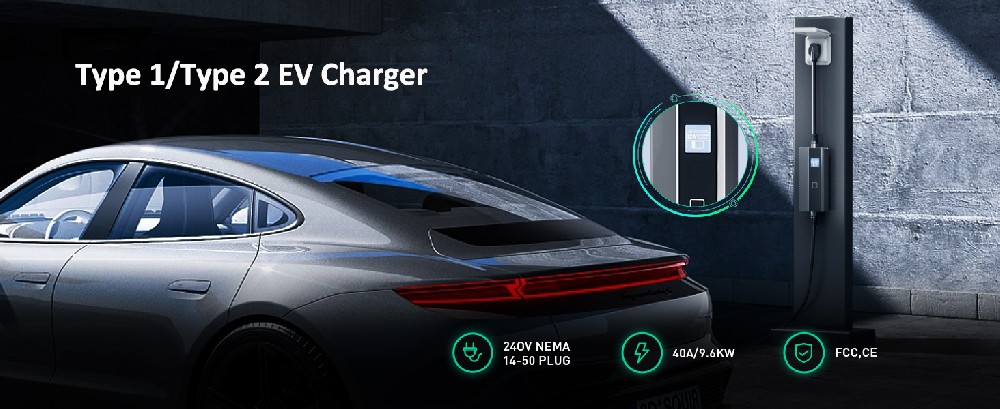
Meta description: What is an EV charger? Discover the types, features, and best options for home and business. Find expert tips for choosing EV chargers and boost your EV experience.
Are you new to electric vehicles and unsure where to begin with charging? Don’t worry. Many new EV drivers ask the same questions. Is it better to charge at home, at work, or rely on public EV charging stations? Which charger type makes the most sense for your lifestyle? And where can you get reliable, cost-effective solutions? All these questions can feel overwhelming at first, but not anymore. This guide is here to answer you. So, without further ado, let’s dive in.
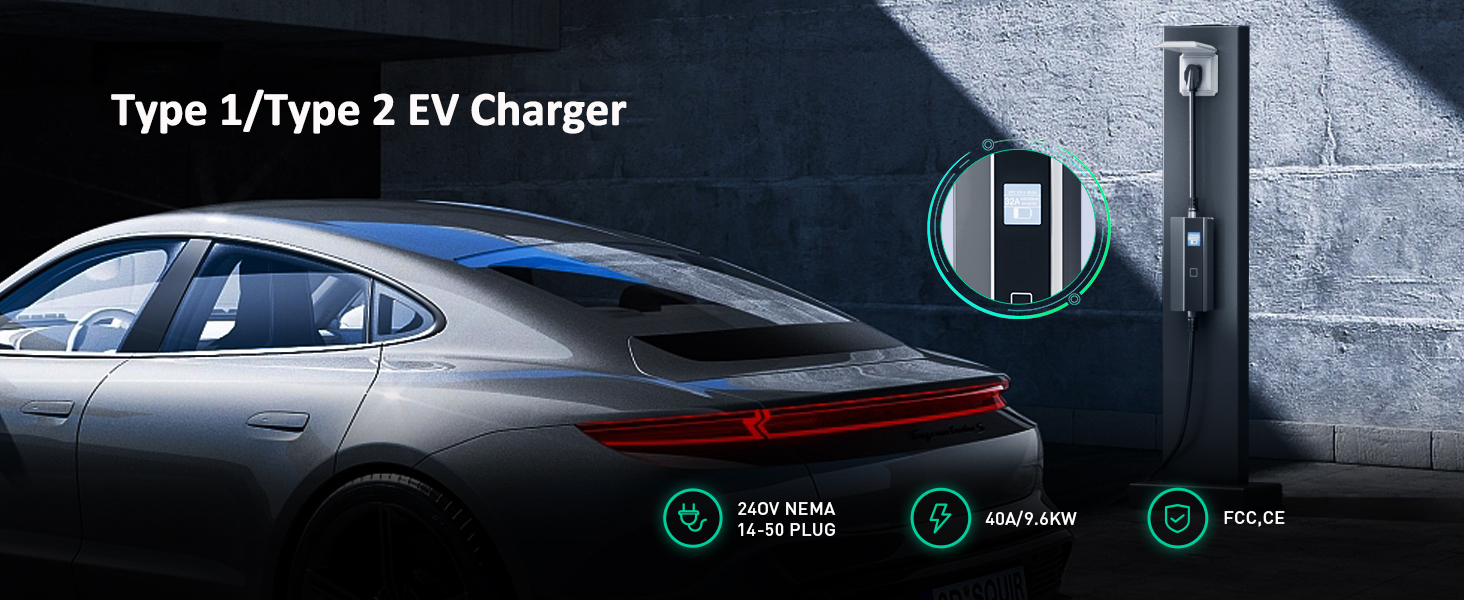
An EV charger is the device that transfers electricity from a power source to recharge the lithium ion batteries in an electric car. It is also known as an Electric Vehicle Supply Equipment (EVSE), and without it, an EV simply can’t operate.
All EV chargers are built with essential components that work together for safe, efficient, and reliable charging. They include:
● Connector and charging cable - This is the link between the EV charger and your electric vehicle. Common standards include Type 1, Type 2, CCS, and CHAdeMO.
● Control box (EVSE) - It is the “brain” that regulates power flow, ensures safety, and stops charging if faults occur.
● Power supply interface - It connects the charger to electricity, whether from the grid, a commercial line, or renewable sources like solar.
● Smart communication system - These are additional features, such as app control, monitoring, and scheduling for convenience and cost savings.
Alt text: What is an EV charger? EV charger types
Charging an electric vehicle is as simple as plugging it in, but behind the scenes, a series of steps make the process safe and efficient. Here’s what happens:
Step 1: Plug the EV charger into your vehicle
First, connect the EV charger to an electricity power source and your car’s charging port. This creates a safe pathway for energy transfer.
Step 2: Electricity flows through the charger
Turn on the socket switch so that power from the grid enters the EV charger. The control box regulates voltage and ensures protection against faults before passing energy to the vehicle.
Step 3: Power enters the car via a connector
Once power goes through the charger, it enters the EV through a connector. EV connector types vary depending on the EV model and region.
Step 4: Power is converted and regulated
EV batteries operate on direct current (DC). If you are charging with an AC wallbox, your car’s onboard charger converts AC to DC. With DC fast chargers, the conversion happens inside the charger itself, making the process much faster.
Step 5: The energy is stored in the EV's lithium batteries
Finally, the transferred energy is stored in the EV’s lithium-ion battery pack, ready to power your next journey.
EV chargers fall into four main categories. Each type varies in speed, cost, and use case. Here’s a breakdown to help you choose wisely.
This is the most basic charging option that comes standard with most electric vehicles. It uses a regular 120V household outlet, making it plug-and-play, with no special installation. It typically adds 3-5 miles of range per hour, taking 8-12 hours for a full charge. It is the slowest option and best for overnight home charging.
Pros
● Very affordable and often included with EVs
● No special installation required
● Easy to use at home
● Ideal for short daily commutes
Cons
● Very slow charging, not suitable for long-distance drivers
Level 2 chargers require a 240V power supply and deliver between 7-11 kW or higher. They can add 20-130 km of range per hour. For a mid-sized EV (40-50 kWh), you can charge to 80% in about 4-5 hours or fully charge in 6-8 hours. Larger EVs (70-80 kWh) might take 8-10 hours to reach 80%. Whether at home or in public locations, Level 2 is a faster, reliable everyday charger.
Pros
● Much faster than Level 1 charging
● Suitable for both home and business use
● Compatible with nearly all EVs
● Can include smart features like scheduling and energy tracking
Cons
● Requires professional installation, adding an upfront cost
For quick top-ups on the go, these chargers are the best choice. They bypass the car’s onboard AC converter and feed direct current directly into the EV battery. With 40-300 kW (or more) of output, these EV chargers can take an EV from nearly empty to 80% in 20-40 minutes. Smaller battery EVs may charge in under 30 minutes, while larger ones could take an hour. These are most common at highway rest stops, service stations, and busy public charging hubs.
Pros
● Fastest way to recharge on the go
● Perfect for long-distance road trips
● Widely available at public charging points
● Saves time for fleets and high-mileage drivers
Cons
● Expensive to install and often pricier to use
● The charging cost per session is usually higher
This charging system uses a shared power pool that dynamically distributes electricity across multiple EVs at once. With output capacities ranging from 240-720 kW and beyond (up to 1440 kW), these chargers are designed for large public stations and high-demand sites. It can bring an EV from nearly empty to 80% in just 10-30 minutes, even for larger battery packs. Its flexibility allows for better power management, higher reliability, and the ability to support all EV models.
Pros
● Extremely powerful and scalable for future demand
● Can charge multiple vehicles at once
● Delivers ultra-fast charging speeds
● Flexible system architecture for diverse EVs
Cons
● High infrastructure and operating costs
● Best suited for large-scale stations, not home use
EV charging solutions for private and commercial use are available as wallboxes and portable chargers. Below are TTCharger’s best-selling models designed to meet diverse charging needs.
Wallbox chargers are fixed charging units that can be installed at homes, workplaces, or public stations. They deliver stable power, support multiple charging speeds, and often include smart safety features for everyday convenience.
This Level 3 DC fast charger is built for commercial sites and public highways. With power delivery up to 180kW, it supports Type 1 and Type 2 connectors, making it compatible with nearly all EVs. Its IP54 weather protection and natural cooling system ensure reliable outdoor performance.
Key features
● Power range: 30kW to 180kW, 380V ±20%, 50Hz
● Supported connector types: Type 1 (SAE J1772), Type 2 (IEC 62196-2)
● Protection system: IP54 weatherproofing, short-circuit and overload protection
● Easy installation: Designed for commercial and public charging stations
● Compact size: Rugged build for heavy-duty use without occupying excess space
● Certifications: CE, FCC, RoHS
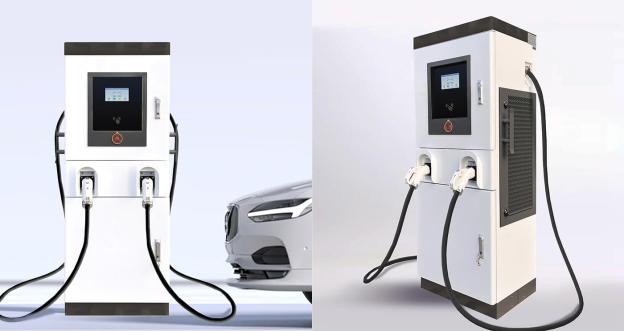
Alt text: TTCharger DC EV Charging Station 30kW-180kW with Type 1 and Type 2 connectors.
Image source: http://evttcharger.com/list_26/106.html
This Level 2 wallbox charger is a flexible option for homes, workplaces, and shared parking areas. It supports both Type 1 and Type 2 connectors and offers charging options up to 22kW. Its IP55 waterproof protection and optional LCD monitoring make it suitable for indoor and outdoor use.
Key features
● Power range: 7kW, 11kW, 22kW
● Supported connector types: Type 1 (SAE J1772), Type 2 (IEC 62196-2)
● Protection system: IP55 waterproof with overvoltage and leakage safeguards
● Easy installation: Wall-mounted, quick setup for residential and business use
● Compact size: Sleek design with optional LCD display
● Certifications: CE, FCC, RoHS
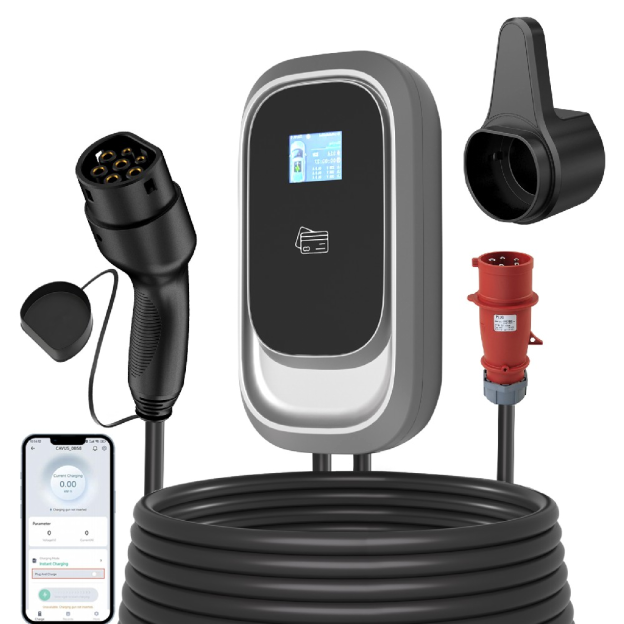
Alt text: TTCharger Wallbox EV Charger AC Type 1 and Type 2 with LCD option.
Image source: http://evttcharger.com/list_18/101.html
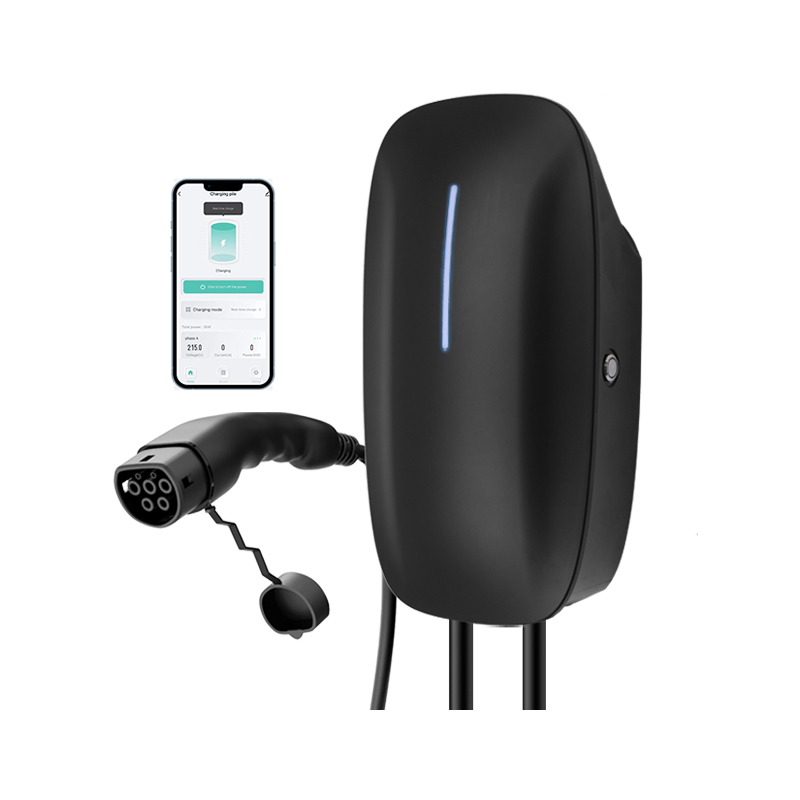
This Level 2 wallbox charger is built with a 5-meter TPU/TPE cable for convenience and durability. Designed to perform reliably in extreme weather, it supports multiple power levels and is suitable for both home and small commercial use.
Key features
● Power range: 7kW, 11kW, 22kW
● Supported connector types: Type 1 and Type 2
● Protection system: IP55 waterproof, -30℃ to +50℃ operating range
● Easy installation: Flexible cable length for varied setups
● Compact size: Integrated 5-meter TPU/TPE cable
● Certifications: CE, FCC, RoHS
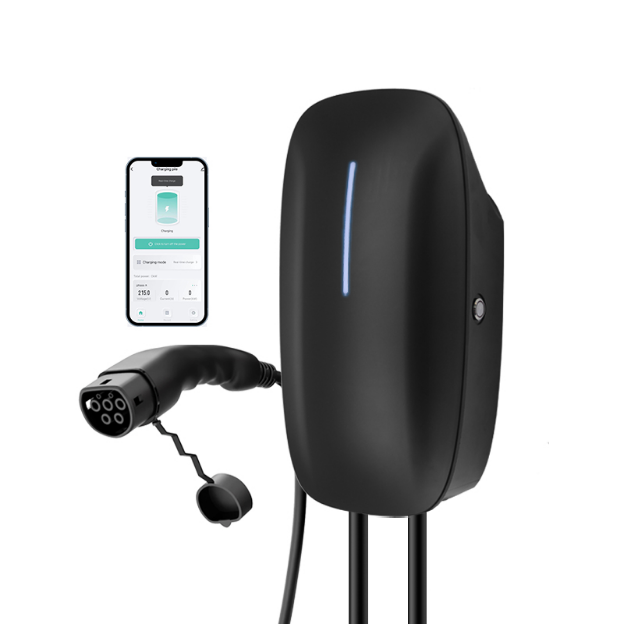
Alt text: TTCharger EV charging station with 5-meter cable, available in 7kW, 11kW, and 22kW.
Image source: http://evttcharger.com/list_18/100.html
This Level 2 wallbox charger comes pre-fitted with a 5-meter cable and supports both Type 1 and Type 2 connectors. Its weather-resistant build and strong protective features make it equally effective indoors and outdoors for both BEVs and PHEVs.
Key features
● Power range: 7kW, 11kW, 22kW
● Supported connector types: Type 1 and Type 2
● Protection system: IP55 waterproof with fault protection
● Easy installation: Wall-mounted, ideal for home or workplace charging
● Compact size: Includes robust 5-meter TPU/TPE cable
● Certifications: CE, FCC, RoHS
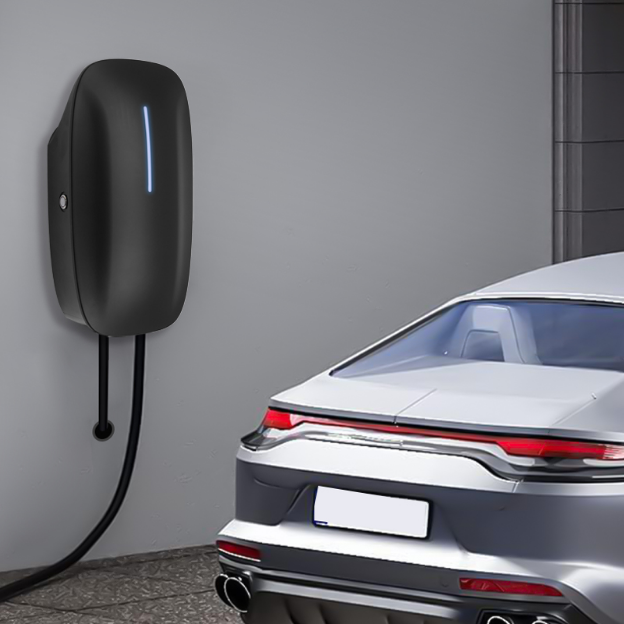
Alt text: TTCharger Wallbox EV Charger with 5-meter Type 1 and Type 2 cable.
Image source: http://evttcharger.com/list_18/81.html
This Level 2 wallbox charger is equipped with a high-strength TPU cable for durability and flexibility. It includes temperature monitoring and automatic fault recovery, ensuring safe and consistent performance for residential or commercial EV charging.
Key features
● Power range: 7kW, 11kW, 22kW
● Supported connector types: Type 1 and Type 2
● Protection system: IP55 waterproof, with thermal and leakage protection
● Easy installation: Designed for home and business wall-mount setups
● Compact size: Sturdy TPU charging cable included
● Certifications: CE, FCC, RoHS
Alt text: TTCharger EV Charger Wallbox with TPU cable, compatible with Type 1 and Type 2 vehicles.
Image source: https://www.evttcharger.com/list_27/105.html
Portable chargers give EV drivers the flexibility to charge wherever a compatible outlet is available. They are lightweight, easy to carry, and designed with strong safety protections. These chargers are ideal for home use, travel, or as a backup charging solution.
This Level 1/Level 2 portable charger is compatible with both Type 1 and Type 2 connectors. Its 5-meter cable and waterproof protection make it reliable for both indoor and outdoor charging. Lightweight and easy to carry, it is perfect for travel or backup use.
Key features
● Power range: Up to 7kW
● Supported connector types: Type 1 and Type 2
● Protection system: IP55 waterproof with electrical safety functions
● No installation: Plug-and-play setup with long cable reach
● Compact size: Portable build with durable TPU cable
● Certifications: CE, FCC, RoHS
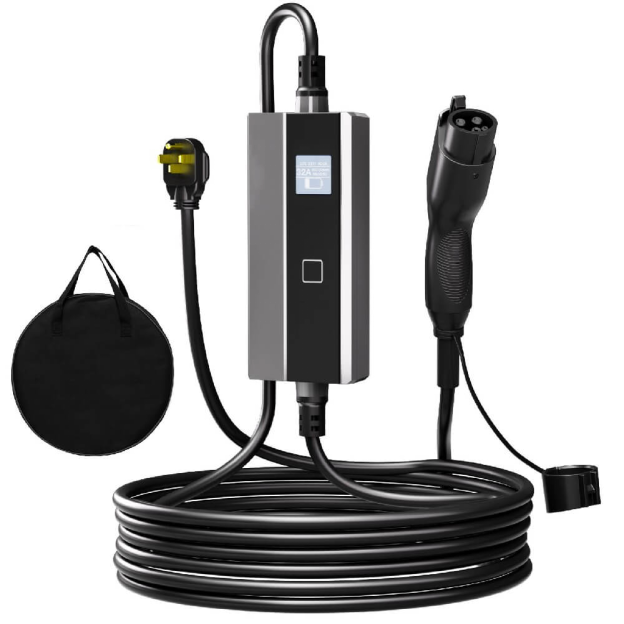
Alt text: TTCharger portable EV charger with 5-meter customized cable.
Image source: http://evttcharger.com/list_27/105.html
This Level 1 portable charger offers 3.5kW charging, making it a practical option for home use or overnight charging. It supports Type 2 connectors, includes a 5-meter cable, and features a waterproof build for indoor or outdoor reliability.
Key features
● Power range: 3.5kW
● Supported connector types: Type 2 (IEC 62196-2)
● Protection system: IP55 waterproof with leakage and overload protection
● No installation: Plug-and-play with 5-meter cable
● Compact size: Lightweight and portable design
● Certifications: CE, FCC, RoHS
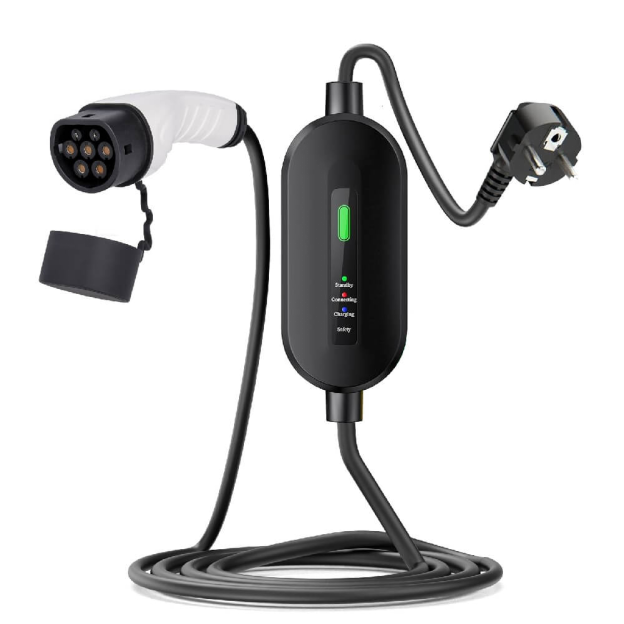
Alt text: TTCharger 3.5kW portable EV charger with 5-meter cable.
Image source: http://evttcharger.com/list_28/104.html
This Level 2 portable charger delivers efficient charging through a durable 5-meter TPU cable. Compatible with Type 2 connectors, it includes waterproofing and multiple safety protections, making it suitable for both residential and travel use.
Key features
● Power range: 7kW
● Supported connector types: Type 2 (IEC 62196-2)
● Protection system: IP55 waterproof, leakage and overcurrent protection
● No installation: Plug-and-play operation with long cable reach
● Compact size: Portable build with reinforced cable design
● Certifications: CE, FCC, RoHS
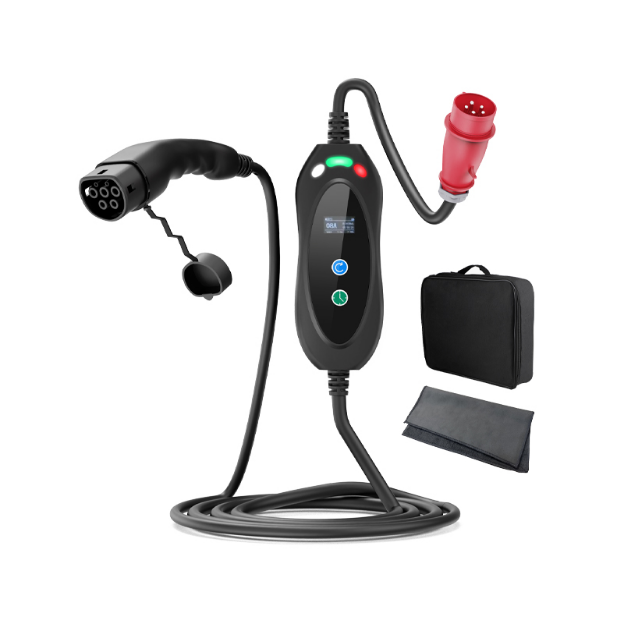
Alt text: TTCharger portable EV charger with 5-meter cable, Type 2 compatible.
Image source: http://evttcharger.com/list_19/102.html
This Level 2 portable charger delivers up to 11kW and features an LCD screen for live charging data. Its CEE plug design makes it easy to connect to standard industrial outlets, while IP55 waterproofing ensures dependable outdoor use.
Key features
● Power range: 11kW
● Supported connector types: Type 2 (IEC 62196-2)
● Protection system: IP55 waterproof with overvoltage and leakage protection
● No installation: Plug-and-play with CEE plug compatibility
● Compact size: Portable with LCD display for monitoring
● Certifications: CE, FCC, RoHS
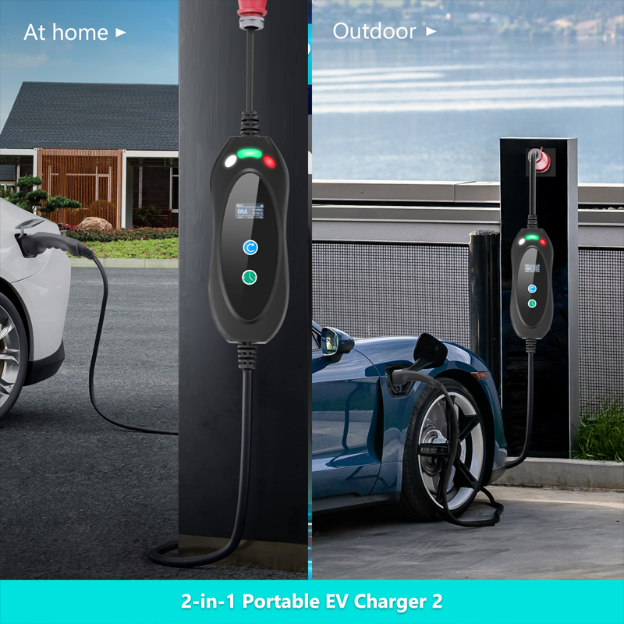
Alt text: TTCharger 11kW portable EV charger with LCD display and CEE plug.
Image source: http://evttcharger.com/list_19/80.html
This Level 2 portable charger combines 11kW fast charging with an LCD interface for monitoring current, voltage, and charging time. Its CEE plug connection, 5-meter cable, and waterproof protection make it ideal for flexible home or outdoor use.
Key features
● Power range: 11kW
● Supported connector types: Type 2 (IEC 62196-2)
● Protection system: IP55 waterproof with fault and leakage protection
● No installation: Simple plug-in with an industrial CEE socket
● Compact size: LCD display and 5-meter cable included
● Certifications: CE, FCC, RoHS
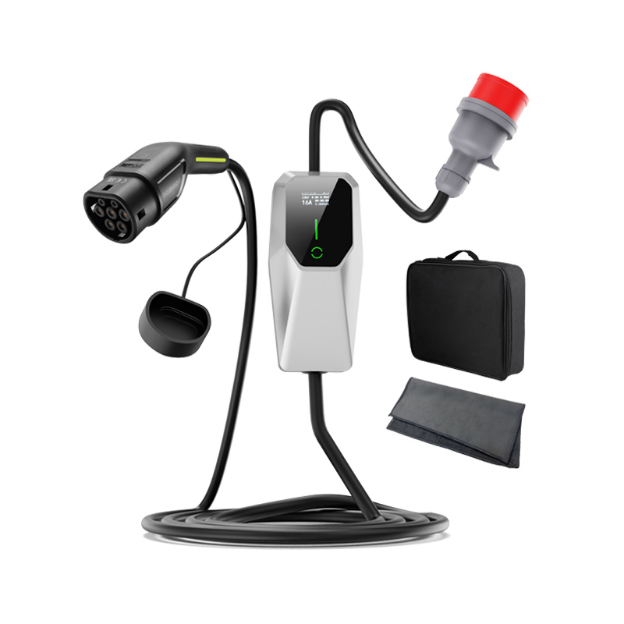
Alt text: TTCharger 11kW portable EV charger with LCD and CEE plug, Type 2 compatible.
Image source: http://evttcharger.com/list_19/70.html
The right EV charger depends on where and how it will be used. Home charging requires convenience and cost-efficiency, while public or commercial setups need higher power and durability. Here are the key factors to consider:
Power input and output
Check the available power supply at your location. Home setups often support Level 1 or Level 2 chargers, while public stations may require DC fast charging with higher voltage input.
Charging speed
Decide how fast you need to charge. Level 1 is fine for overnight use, Level 2 works for daily charging, and Level 3 DC chargers are best for rapid charging in public spaces.
EV and charger compatibility
Not all EVs use the same connector type. Verify that the charger supports your vehicle’s standard, whether it’s Type 1, Type 2, CCS, or CHAdeMO.
Equipment and installation costs
Factor in both the charger price and professional installation. Level 2 home chargers usually require a licensed electrician, while DC fast chargers involve higher infrastructure investment.
Location and setup
Think about where the charger will be installed. For outdoor use, ensure it has a weatherproof rating like IP54 or IP55. For public use, consider accessibility and multiple charging ports.
Smart features
Many chargers now offer Wi-Fi, app monitoring, load balancing, and scheduling. These features make charging more efficient and give you better control over energy use.
Warranty and support
Look for chargers backed by solid warranties and reliable after-sales service. This ensures long-term reliability and peace of mind.
The shift to electric vehicles has made an EV charger a must-have for drivers. However, not everyone can install the same kind of charger. Eligibility depends on ownership, property type, and how the charger will be used. Here’s who qualifies and why:
Homeowners are the most common users, with incentives and tax credits making wallbox chargers affordable for overnight charging.
Renters and condo residents may need landlord or HOA approval, though “right to charge” laws in some regions protect access.
Businesses and workplaces qualify for grants and tax credits to install chargers for staff, fleets, and visitors.
Fleet operators such as delivery services or taxi companies benefit from commercial programs that offset costs of Level 2 and DC fast chargers.
Public properties like gas stations, hotels, and retail centers can install chargers to attract EV drivers, with federal and state funding available.
Municipalities and developers also qualify for programs supporting public charging in communities and new housing projects.
For over 17 years, TTCharger has been a trusted EVSE manufacturer and supplier, offering high-quality wallbox chargers, portable chargers, adapters, connectors, and more. Our products meet international compliance standards and come with full certifications for safety and reliability. Every unit is backed by warranty support and built to last, whether for home, business, or public use. With global shipping and proven expertise, we make it simple to power your EV with confidence.
Choosing the right EV charger partner isn’t just about hardware. It is about trust, reliability, and long-term support. Here’s why thousands of EV drivers order EV chargers from TTChargers:
Premium-quality EV chargers
Our chargers feature exceptional water resistance for use in any environment, with minimal quality issues after purchase.
OEM and ODM customization
We offer tailored solutions for brands, including custom logos, colors, cable types, housing, and packaging, suited to both experienced EVSE companies and established local brands.
Global certifications
All products meet CE, RoHS, FCC, and other international standards for seamless global distribution.
High production capacity
Our facilities produce 5,000+ units weekly with a standardized process, supporting fast delivery and bulk orders.
Multilingual and after-sales support
Clients receive dedicated one-on-one service, multilingual assistance, and a 1-year warranty.
Innovation-driven R&D
Our expert team ensures continuous product improvement with advanced safety options.
Swift delivery
We handle customs clearance and deliver directly to the client’s location.
1. How much does it cost to install an EV charger at home?
Costs vary depending on electrical upgrades, labor, and charger type. A basic Level 2 installation may cost $500-$2,000, while more complex jobs are higher. Choosing user-friendly EV charger wallboxes can reduce setup complexity. TTChargers’ wall-mounted EV chargers are designed for simple, cost-efficient installation at home.
2. What is the difference between AC and DC charging?
AC chargers convert power slowly using the car’s onboard converter, making them ideal for overnight charging. DC chargers bypass this step, delivering power directly to the battery for much faster results. TTChargers offers both AC wallboxes and DC fast chargers for complete flexibility.
3. Can you use any EV charger for any electric vehicle?
No. Not all chargers fit every EV. Compatibility depends on connector type (Type 1, Type 2, CCS, CHAdeMO) and the vehicle’s charging limits. Checking your car’s requirements prevents issues. TTChargers provides universal models with multiple connector options to suit a wide range of EVs.
4. How long does it take to charge an EV?
Charging times depend on battery size, charger power, and the car’s limits. A Level 2 wallbox may take 6-12 hours, while a DC fast charger can cut that to under an hour. TTChargers’ fast chargers deliver up to 180kW for rapid charging.
5. Why is EV charging speed slow?
Slow charging is often due to a low-powered charger, vehicle charging limits, or outdated wiring at home. Environmental factors like cold weather can also reduce speed. TTChargers offers high-capacity Level 2 wallboxes and powerful DC chargers to overcome these limitations.
6. Can I have an EV charger at home?
Yes. Most homeowners can install a wallbox, provided their electrical system supports the load. Professional installation ensures safety and compliance. A home charger saves time compared to public charging. TTChargers’ compact wall-mounted units are designed for reliable, everyday home use.
7. Do EV chargers affect battery life?
Certified chargers do not damage batteries. In fact, regular Level 2 charging is considered healthy for long-term performance. Frequent use of DC fast charging may accelerate wear slightly, but it is safe when needed. TTChargers’ chargers meet strict safety standards for battery protection.
8. Can I use an extension cord with an EV charger?
No. Using extension cords is unsafe because they can overheat, trip breakers, or cause fires. EV chargers require a dedicated power line to handle high loads. TTChargers’ wallboxes and portable chargers include built-in safety features and durable cables, eliminating the need for unsafe extensions.
9. Are there government incentives for EV charger installation?
Yes. Many regions provide rebates, tax credits, or grants to lower installation costs and encourage EV adoption. Eligibility depends on location and charger type. Choosing certified products ensures compliance. TTChargers’ chargers are fully certified, making them eligible for incentive programs in global markets.


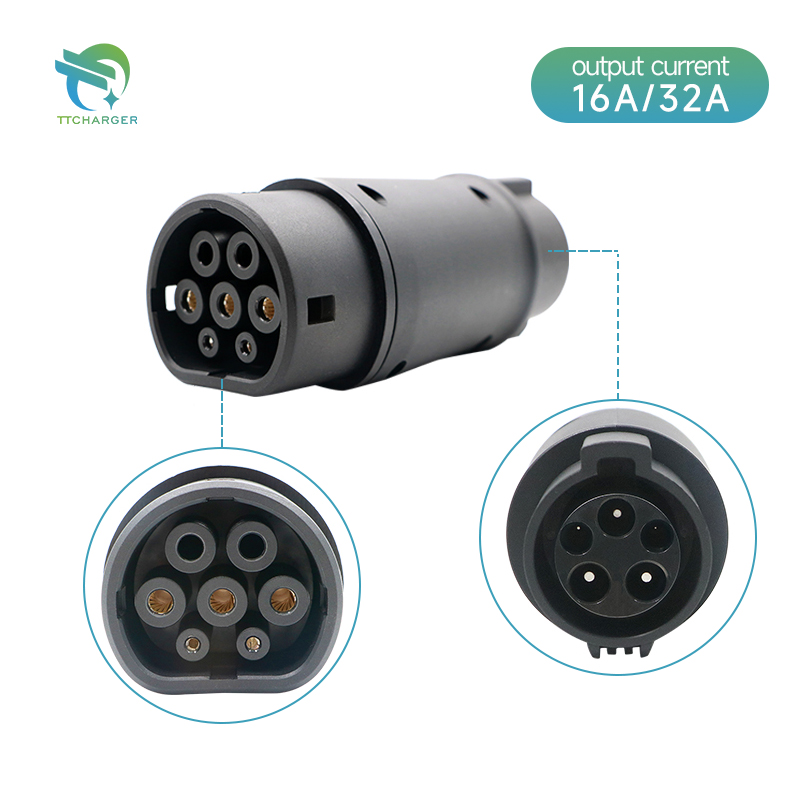


As a professional EVSE manufacturer, TTCHARGER focuses on providing customers with professional charging equipment that is safer, more efficient and more stable.
Interested in Purchasing EV charging equipment for your Business? Get in touch with us now.

Leave A Comment