Products
Our main products include ev charger wallbox, ev connectors, ev charging station and so on.


Our main products include ev charger wallbox, ev connectors, ev charging station and so on.
Safe and reliable for your home and your EV.
Portable to take it in your car.
User Friendly and easy to store.
Extremely durable and impact resistant.

We can provide perfect solutions based on the customer’s requests.

All you need to know about TTCHARGER manufacturing.

Learn about who we are and how it all started.

How long does it take to charge an electric car
One of the most common questions EV charging business owners ask is, "How long does it take to charge an electric car?" Charging speed is crucial to your electric station success. It shapes customer satisfaction, station turnover, and revenue potential. If you want to start a charging station, understanding charging times is essential. It helps to plan the investment smarter, scale confidently, and stay competitive in the fast-growing EV market.
The answer varies. EVs' charging times differ by the type of EV charger, the car’s model, its battery size, and the current battery status. Usually, the bigger the battery size capacity and the slower the charger, the longer it takes. Here’s a simplified breakdown:
● Level 1 EV charger: This entry-level charger connects to a standard home socket. It is AC and the slowest option, taking about 20-40 hours to recharge a battery from 0-100%.
● Level 2 EV charger: A faster AC charger with a 7-22 kW output, typically charging an EV in 4-10 hours. It is suitable for workplaces, apartments, or overnight charging.
● DC fast charging: With 50-150 kW of direct current, these chargers bypass an onboard converter and recharge most EVs in 30-90 minutes. You can use them for public stations and EV fleet turnaround.
● Ultra-fast charging: Offering 150-600 kW, these chargers have the highest power and can deliver up to 80% charge in 15-30 minutes. They are ideal for highways, busy hubs, and high-demand areas.
EV charging stations that are open for public usage are faster than home charging. A DC rapid charger can recharge most EVs from 0 to 80% in about 30-60 minutes, while ultra-fast chargers reduce that to just 15-30 minutes.
Home and residential EV charging is slower but convenient. Using a Level 2 charger, most cars reach a full charge overnight, usually in 4-10 hours.
Charging time isn’t a fixed number. Several factors affect how fast an electric car charges, and understanding them helps businesses better plan for customers and operations.
Charger power output
The higher the charger’s kilowatt rating, the faster the energy flows into the battery. Ultra-fast chargers drastically reduce wait times compared to standard AC chargers.
Vehicle battery size and capacity
Larger batteries hold more energy, which naturally takes longer to fill. Smaller batteries charge faster but deliver shorter driving ranges, affecting EV drivers’ needs and usage.
Grid availability and site electrical infrastructure
Limited grid capacity or outdated site wiring can restrict EV charging speeds. Upgrading infrastructure ensures chargers perform at their rated power output without bottlenecks.
State of charge (charging is slower after 80%)
EV batteries accept energy quickly until about 80%. After that, charging slows significantly to protect battery health, extending the final top-up time.
Smart charging software and load balancing
Intelligent systems manage power distribution across multiple chargers. This prevents grid overload, optimizes energy use, and shortens average charging times in peak demand periods.
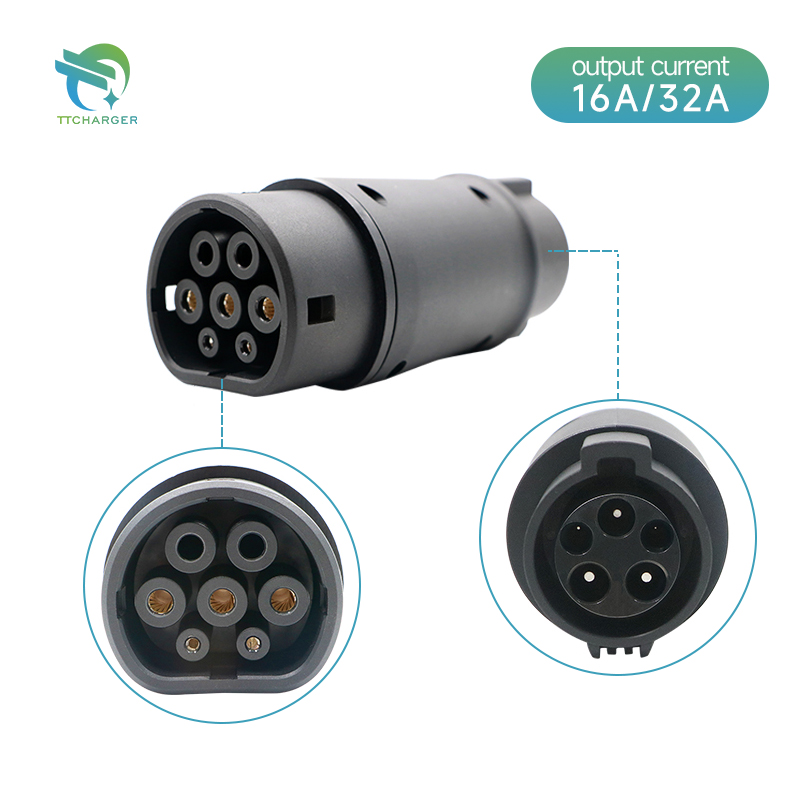
No. Not all EVs use the same chargers. Different charger types are available based on charging speed, power levels, and connector types. The main standards are CCS, CHAdeMO, and Type 2 EV charger connectors. CCS and Type 2 dominate in Europe, while J1772 is common in North America. Adapters allow some cross-compatibility, but the most reliable choice for businesses is a multi-standard charger that works with all EV models.
Yes. Businesses, fleets, and communities can install commercial-grade chargers designed for high use and scalability. On the other hand, portable electric car chargers provide flexibility and convenience for individuals or small sites. Choosing the right charger depends on your needs, but commercial operators benefit most from robust, future-ready solutions.
The best electric car charger depends on your setup. Speed and reliability matter most for commercial sites, while flexibility benefits home and community use. Sourcing high-quality chargers ensures safety, uptime, and performance. TTCharger is a trusted EVSE partner providing tested, scalable, and customizable charging solutions for every business model.
Choosing an electric car charging station for an EV charging business comes down to speed, reliability, and compatibility. Below are some of the best options to consider:
This DC fast charger delivers 30-180kW power, ideal for fleets, gas stations, and high-traffic hubs. It has an LCD screen, real-time monitoring, high compatibility, and durable TPU/TPE cables. It is easy to install, waterproof, and built with robust safety protection systems for safe, continuous use.
Key features
● Broad compatibility: Its charging interface supports Type 2 (IEC 62196-2) and Type 1(SAE J1772).
● Easy installation: Comes with complete accessories and a suspended charging gun design.
● Smart system: It offers real-time monitoring of temperature changes and supports reboot systems and error correction.
● Voltage protection: Built-in error correction prevents overvoltage, undervoltage, and surges.
● Working environment: Rainproof with an IP54 rating, operates from -20℃ ~ +50℃, uses natural cooling, and is reliable at high altitudes of <2000m.

Alt text: TTCharger DC EV Charging Station with 30kW-180kW power, LCD screen, and durable TPU cable. electric car charging station time
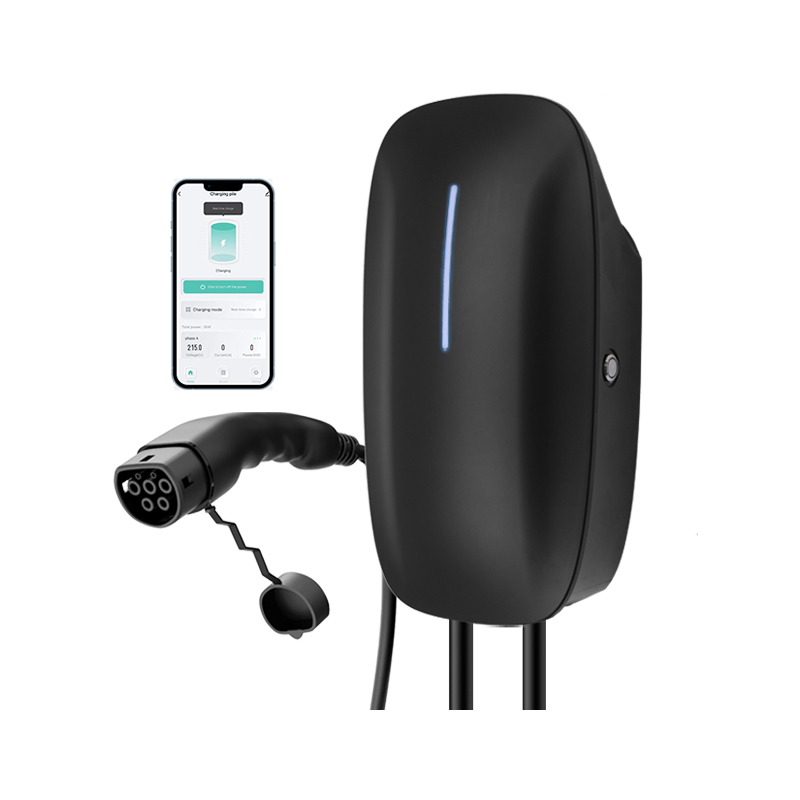
This is an AC wallbox that can deliver 7-22kW. It is perfect for workplaces, retail centers, and residential complexes. It includes a 3.5-inch color LCD screen, waterproof housing, real-time monitoring, and strong TPU/TPE cables. Compact design, reliable protection systems, and wide compatibility ensure easy integration for growing networks.
Key features
● Electrical specifications: Supports stable input/output for 120V / 230V / 380V (Three Phase) supply.
● Broad compatibility: It works with both Type 2(IEC 62196-2) and Type 1(SAE J1772) charging plugs.
● Easy installation: The compact size facilitates easy transport to the site and comes with all relevant accessories.
● Intelligent system: It has a strong expansivity for WiFi, RFID, APP, and OCPP. Users can monitor their EV charging status on their phone.
● Voltage protection: Built-in error-correction and reboot systems for safer charging.
● Working environment: Waterproof IP55, works at -30℃ ~ +50℃, and is suitable for outdoor and indoor use.

Alt text: TTCharger Wallbox AC EV charger with LCD screen and durable Type 1/2 connectors. electric car charging time
This compact AC wallbox delivers 7kW/11kW/22kW in three-phase and includes a 5-meter Type 1/Type 2 cable for flexible parking layouts. Its LCD display, protection systems, and monitoring functions make it reliable for both business and community use. Its TPU/TPE charging cable ensures long-lasting performance.
Key features
● Electrical specifications: Stable input/output voltage with 120V / 230V / 380V 3-phase support.
● Broad compatibility: Type 2(IEC 62196-2), Type 1(SAE J1772) connectors included.
● Easy installation: All accessories are provided, and the suspended EV charging gun design prevents wear.
● Real-time monitoring: Smart LCD display allows users to track charging status.
● Voltage protection: Overload, short-circuit, and surge protection included.
● Working environment: IP54 waterproof, wide temperature range, and a durable housing for outdoor use.

Alt text: TTCharger Wallbox with 5-meter cable, LCD, and Type 1/Type 2 connectors. EV charging for fleets
This level 2 EV wallbox charger delivers 7kW to 22kW three-phase maximum power output for indoor garages and outdoor commercial parking. It has a long 25ft TPU cable that allows easy EV charging anywhere.
A robust AC wallbox, 7-22kW, compatible with both Type 1 and Type 2 vehicles. It features a large LCD, advanced protection, and smart monitoring. With durable TPU cables and a weatherproof build, this unit fits both indoor garages and outdoor commercial parking.
Key features
● Electrical specifications: Flexible voltage input/output for residential or commercial grids.
● Broad compatibility: It comes with an American Standard SAE J1772 NEMA 14-50 connector.
● Easy installation: Comes with all mounting accessories for easy assembly, and you just plug and charge.
● Real-time monitoring: Users can observe their EV’s charging status via an app.
● Multifunctional protection: It has safety mechanisms for voltage, temperature, lightning, short-circuit, and ground fault protection.
● Working environment: IP55 waterproof rating, heat-resistant, suitable for harsh climates.
● Emergency button: It has a red emergency button that helps stop charging in case of electricity leakages or very high temperatures.
Alt text: TTCharger Wallbox EV charger with LCD screen and TPU cable
Portable chargers are usually carried in an electric car to facilitate the driver to charge under any conditions, anywhere.
This portable Type 1 / Type 2 charger delivers 11kW and has adjustable current and delay time settings. Its 21-foot charging cable is flexible, durable, and easy to use. You can use it at home or take it with you on your travels. Moreover, an LCD display is available to show real-time data for both drivers and EV charging business owners.
Key features
● Charging interface type: It supports IEC 62196-2 and SAE J1772
● Function and accessories: It has an LCD display, RCD, LED indicators, and intelligent power adjustment.
● Safety protection system: Built-in safeguards for current leakage and surges. It is also waterproof IP65.
● Portability: The EV charger is lightweight and comes with a bag that facilitates easy carrying.

Alt text: TTCharger portable EV charger with LCD screen and flexible cable.
This compact 2-in-1 EV charger you can easily take with you anywhere for flexible charging on the go. It includes a 5-meter cable, LED indicator, waterproof housing, and protection systems, making it reliable for everyday charging. It is perfect for home and light commercial use.
Key features
● Charging interface type: It is compatible with IEC 62196-2 and SAE J1772.
● Function and accessories: It has an LED status indicator and RCD of Type A+6mA DC.
● Easy to use: You simply need to plug the EV charger into a power source and charge.
● Safety protection system: It is waterproof and has a full link system for temperature control.
● Portability: Lightweight 2-in-1 charger for home and mobile charging.
Alt text: TTCharger 3.5kW portable EV charger with 5-meter cable and LCD display.
This portable 11kW AC charger is perfect for residential communities and small fleets. It comes with an LCD screen, intelligent load control, strong protection systems, and a waterproof design. Compact yet powerful, it ensures fast and safe charging.
Key features
● Charger type interface: It supports IEC 62196-2 and SAE J1772
● Function and accessories: LCD, RCD, LED indicators, and intelligent power control.
● Safety protection system: Multiple safeguards against overheating and overload.
● Delayed charging: You can set up bookings for delayed charging.
● Portability: Sturdy design with a CEE plug for easy setup.

Alt text: TTCharger 3.5kW portable EV charger with 5-meter cable and LCD display.
This portable 11kW AC charger is perfect for residential communities and small fleets. It comes with an LCD screen, intelligent load control, strong protection systems, and a waterproof design. Compact yet powerful, it ensures fast and safe charging.
Key features
● Charger type interface: It supports IEC 62196-2 and SAE J1772
● Function and accessories: LCD, RCD, LED indicators, and intelligent power control.
● Safety protection system: Multiple safeguards against overheating and overload.
● Delayed charging: You can set up bookings for delayed charging.
● Portability: Sturdy design with a CEE plug for easy setup.

Alt text: TTCharger 11kW portable EV charger with LCD screen and CEE plug.
This portable 11kW EV charger is perfect for residential homes and small commercial sites. It comes with a five-meter-long TPU charging cable to use anywhere. It also has an LED screen display to monitor data, security protection features, and CE certifications.
Key features
● Charger interface type: It has a Type 2 plug that supports European Standard IEC 62196-2 and SAE J1772.
● Delayed start charging: You can book up to 5 hours of appointments for delayed charging needs.
● Function and accessories: LCD, RCD, rolling LED indicators, and intelligent power adjustment.
● Safety protection system: It is built with pressure-resistant material and is both dust-resistant and waterproof.
Portability: It has a sturdy design with a CEE plug for easy setup and a zipped carry bag for easy transportation.

Alt text: TTCharger 11kW portable EV charger with Type 2 plug and LCD screen.
How fast an electric vehicle charges can make or break an EV charging business. Speed not only shapes customer satisfaction but also decides how profitable and competitive the site becomes.
● Satisfied drivers and loyalty: Drivers want convenience. A faster charger means less waiting and a smoother journey, which makes them more likely to return to the same station again.
● Higher turnover and revenue: Shorter charging sessions free up stations for more vehicles in a day. This increases usage rates, improves ROI, and helps businesses earn more per charger installed.
● Extra spending at retail sites: Shopping centers, cafes, and restaurants benefit when drivers stop to charge. With fast charging, customers spend money while waiting, boosting sales for the surrounding businesses.
● Efficient fleet operations: For delivery vans, taxis, and buses, charging speed affects schedules and downtime. Fast chargers maximize vehicle availability, while overnight charging at depots keeps operations cost-effective.
1. What is the fastest electric car charger?
The fastest EV chargers are ultra-fast DC chargers, delivering 150-600 kW. They can recharge a battery to 80% in as little as 15-30 minutes. The second fastest EV chargers are DC Level 3 fast chargers, which don’t require power conversions and hence charge faster than levels 1 and 2. If you want fast speed, reliable EV charging solutions, visit TTCharger. We offer solutions designed to keep businesses competitive and drivers satisfied.
2. How far can an electric car go on a full charge?
An EV’s range depends on battery size, charge status, model, driving conditions, and weather. Most modern EVs cover 200-400 miles per charge, while premium models go even further. Installing TTCharger’s high-performance charging stations ensures vehicles recharge quickly, keeping drivers confident and your business attractive.
3. Can I overcharge an electric car?
No, you can’t overcharge an EV. Modern vehicles have built-in systems that automatically stop charging when the battery is full, protecting the battery’s health. TTCharger provides advanced chargers with intelligent software to ensure safe, efficient charging every time.
4. Can I charge an electric car at home?
Yes, most EVs come with a Level 1 charger that plugs into a standard home socket, though it’s slow. For faster charging, you can install Level 2 chargers or use portable chargers. TTCharger offers reliable portable and residential charging options to meet everyday needs.
5. Can I leave my EV plugged in for a week?
Yes, but it is not recommended. It is safe to leave an EV plugged in for several days or even a week. Smart battery management systems regulate charging and prevent damage. TTCharger’s chargers include built-in safety features, making long-term connections worry-free for drivers and businesses.
6. Can you charge an electric car in the rain?
Yes, it is completely safe to charge an EV in the rain using certified equipment. EV chargers are built with waterproofing standards. TTCharger products are rated IP55+, ensuring durability, weather resistance, and safe operation even in challenging outdoor environments.
7. Is it safe to charge an electric car overnight?
Yes, charging overnight is safe. EVs automatically stop charging once the battery is full. Many drivers prefer this for convenience. TTCharger’s smart solutions ensure efficient overnight charging. This is ideal for homes, fleet depots, and businesses needing reliable off-peak energy use.
8. How much does it cost to install a commercial EV charger?
Installation costs vary by charger type, location, government, permits, etc. On average, Level 2 charger installation costs $2,000-$5,000, while DC fast chargers can cost $30,000-$80,000 depending on power output and site setup. TTCharger offers cost-efficient, scalable solutions to help businesses start strong and grow with demand.
9. How many cars can one charging station serve per day?
It depends on charger speed and session length. A Level 2 charger may serve 6-10 cars daily, while fast and ultra-fast chargers can handle 50+ cars. TTCharger’s high-capacity chargers maximize turnover, making them ideal for businesses targeting high traffic.
10. Do fast chargers damage EV batteries?
No, when used correctly, fast chargers don’t damage EV batteries. While repeated ultra-fast charging may slightly reduce long-term capacity, built-in battery management systems regulate charging. TTCharger’s fast DC chargers balance speed with battery safety, ensuring optimal performance for both drivers and businesses.
Charging time depends on the charger type, vehicle, and setup. For businesses, fast and ultra-fast charging solutions are the real growth drivers. TTCharger partners with you every step of the way, offering reliable products, customization, and support. Start building your EV charging business today with TTCharger.




As a professional EVSE manufacturer, TTCHARGER focuses on providing customers with professional charging equipment that is safer, more efficient and more stable.
Interested in Purchasing EV charging equipment for your Business? Get in touch with us now.

Leave A Comment