Products
Our main products include ev charger wallbox, ev connectors, ev charging station and so on.


Our main products include ev charger wallbox, ev connectors, ev charging station and so on.
Safe and reliable for your home and your EV.
Portable to take it in your car.
User Friendly and easy to store.
Extremely durable and impact resistant.

We can provide perfect solutions based on the customer’s requests.

All you need to know about TTCHARGER manufacturing.

Learn about who we are and how it all started.

As electric vehicles (EVs) continue to gain popularity, the demand for reliable and efficient charging solutions is rapidly increasing. To fully understand how EV chargers work, it’s essential to explore the fundamental principles of EV charging—from power conversion to safety mechanisms and smart technologies.
The primary goal of an EV charger is to transfer electrical energy from the grid to the vehicle’s battery safely and efficiently. The process involves:
Current Flow: Alternating current (AC) from the grid or direct current (DC) from a fast-charging station flows into the EV.
Conversion: If AC is supplied, the onboard charger inside the vehicle converts AC into DC to charge the battery. DC fast chargers bypass the onboard charger and deliver DC power directly.
Battery Management: The Battery Management System (BMS) monitors voltage, current, and temperature to ensure safe charging.

Alt text: TTCharger Wallbox AC EV charger with LCD screen and durable Type 1/2 connectors. electric car charging time
AC Charging (Level 1 & Level 2): Common for home or workplace charging. Slower but convenient.
DC Fast Charging: High-power chargers that can recharge an EV to 80% in under an hour.
Portable EV Chargers: Provide flexibility and mobility, allowing users to charge anytime, anywhere.

Alt text: TTCharger portable EV charger with LCD screen and flexible cable.
Voltage & Current Regulation: Determines charging speed and compatibility.
Safety Protection: Overcurrent, overvoltage, overheating, and leakage protection are essential.
Efficiency: High-quality chargers minimize energy loss during conversion.
Smart Control: Modern chargers integrate features such as adjustable current, scheduled charging, and mobile app monitoring.
EV chargers and vehicles “communicate” using standardized protocols (e.g., OCPP, ISO 15118). This ensures interoperability, secure charging sessions, and support for functions like Plug & Charge.
Bidirectional Charging (V2G, V2H): EVs can return energy to the grid or power homes.
Wireless Charging: Inductive charging pads remove the need for cables.
Ultra-Fast Charging: Next-generation chargers aim for full charge in less than 15 minutes.
The principle of EV charging revolves around safe, efficient, and intelligent energy transfer from the grid to the battery. As technology advances, EV charging will not only become faster and more convenient but will also integrate with smart grids and renewable energy, shaping the future of sustainable transportation.


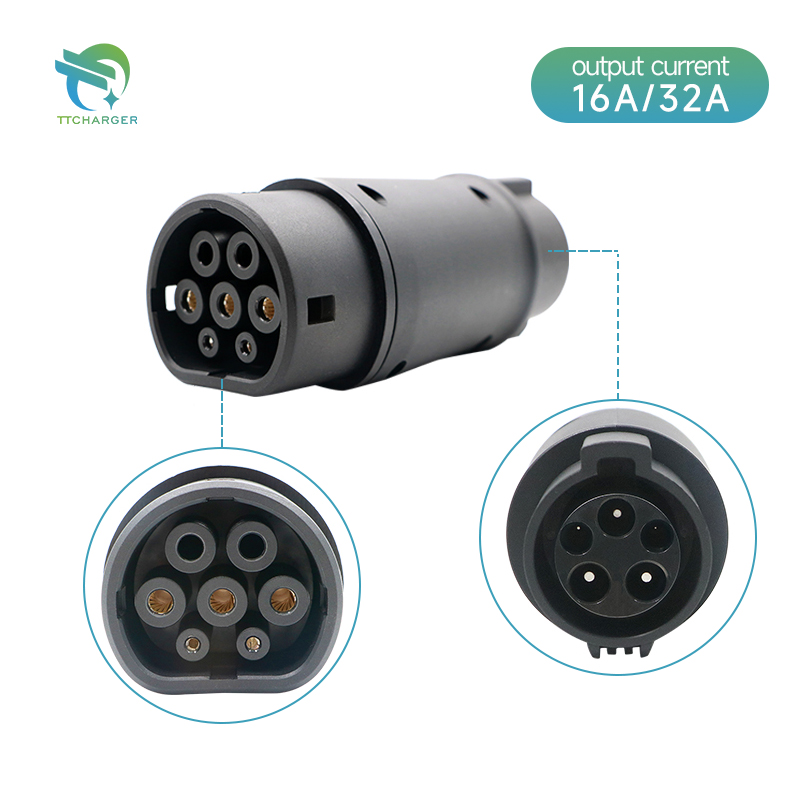

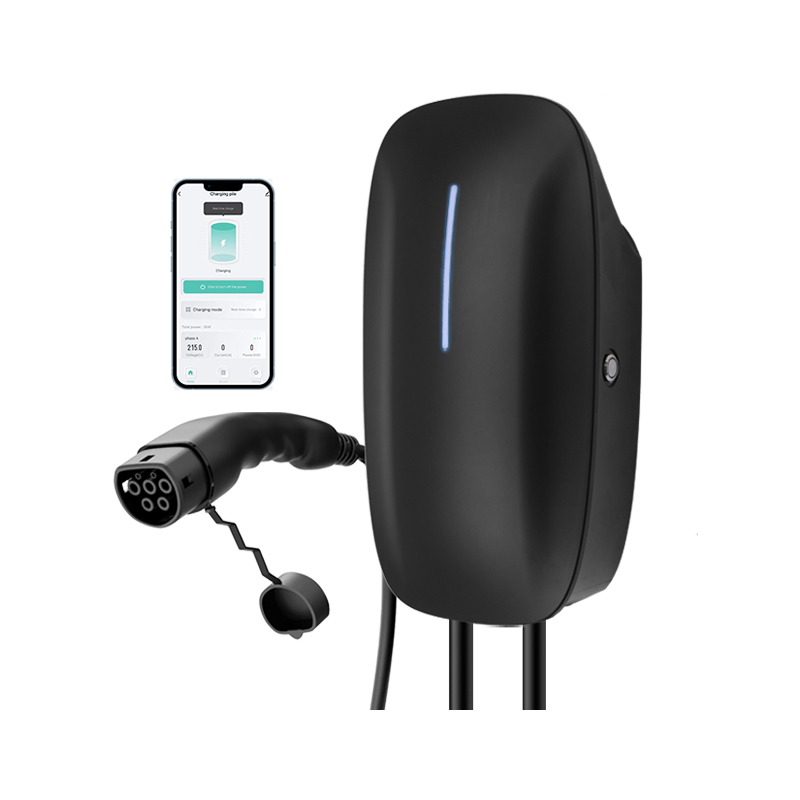

As a professional EVSE manufacturer, TTCHARGER focuses on providing customers with professional charging equipment that is safer, more efficient and more stable.
Interested in Purchasing EV charging equipment for your Business? Get in touch with us now.

Leave A Comment